
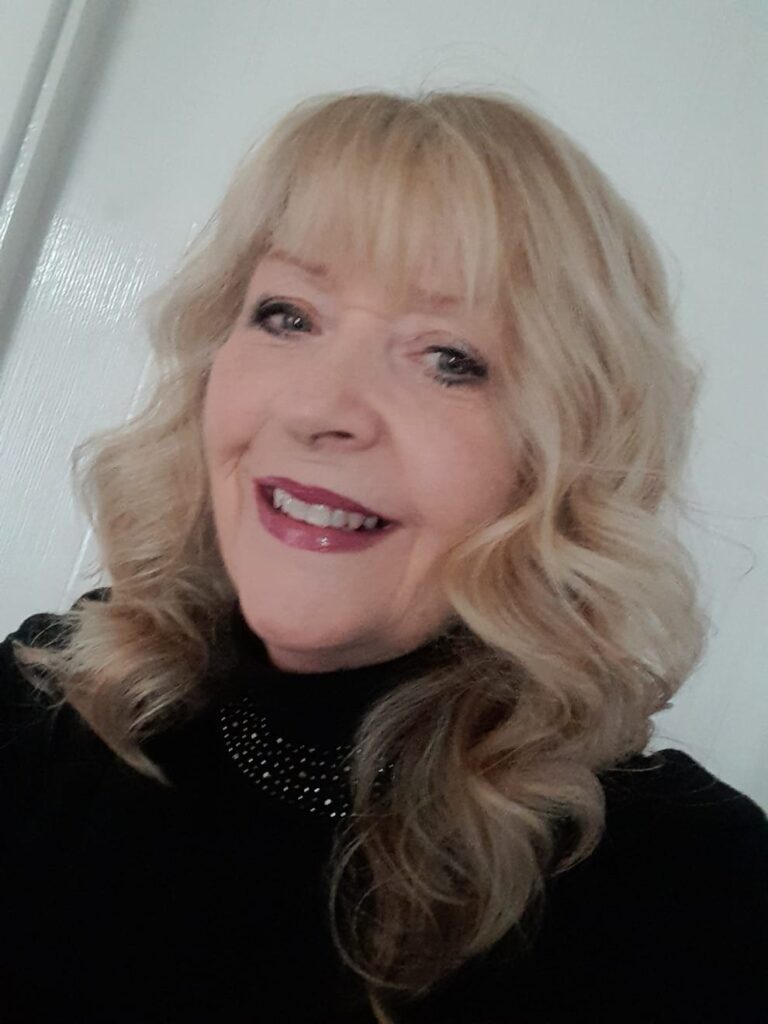
Gail Fàbregas
I teach stress management skills that, with regular practice, lead to striking gains in resilience.
My focus has been on achieving this in CIC’s and the workplace, but invariably, the benefits spread much further. Learning mindful self-compassion doesn’t just make work life better; it transforms one’s whole life for the better. This has definitely been my experience.
A dedicated meditation practitioner for decades, I later integrated mindfulness into my practice, shaking up my views on many things, including myself. For years I pursued self-esteem through positive thinking, struggling to make sense of my abusive relationship.
Then mindfulness training introduced me to self-compassion.
This happy encounter revolutionised my self-talk when experiencing difficulty.
Being kind to myself while living in an endless, exhausting, adversarial situation, and holding painful thoughts and feelings in a space of awareness, instigated a natural growth in resilience to levels I never thought possible.
It gave me the clarity and self-belief I needed to finally break free from my perpetrator.
Mission
From there it was a natural move to make it my mission to share these skills with others; not just to ease suffering, but to uplift, and get people smiling again.
“Life is only available in the present moment.” Thich Nhat Hanh
I have always worked in a client-centred setting, first in tourism and aviation, then later in corporate language and re-location services. In 2019 I joined the team at Stockport Ethnic Diversity Service as a community interpreter. I also volunteer with Manchester Women’s Aid.
During lockdown I trained to be a Mindfulness teacher, a job I have been happily engaged in since 2021.
In compliance with our code of practice I receive regular supervision and CPD, notably with The Mindful Self-Compassion Institute, Mindfulness UK, The Compassionate Mind Foundation and Breathworks. Owing to a personal interest in trauma recovery, I also train with The Forgiveness Project, Behind Closed Doors, and Trafford Domestic Abuse Service.
The vital link between ourselves and the natural environment particularly interests me; on our retreats I love organising mindfulness practice sessions in nature, and I’m currently studying Nature Connectedness with the University of Derby.
Everything changes, except change
We live in a world of uncertainty, with a growing need to reduce stress and restore balance. Mindfulness allows us to adapt to change with ease, as we develop skills that allow us to have clarity in the face of challenge, and to increase resilience, even during significant life transitions such as bereavement, relationship issues, unemployment, parenthood and retirement.
Supported by Neuroscience
Since Jon Kabat-Zinn introduced Mindfulness practice at the Massachusetts Medical Centre in 1979, numerous scientific investigations have evidenced its positive impact on the brain, and it is now prescribed by many health professionals as an alternative to anti-depressants and tranquilizers. Mindfulness practice is the workplace wellbeing intervention of choice for many public and private entities: multinational companies, places of learning, the creative industries, sports and medical organisations, mediation and negotiation bodies.
Mindfulness Practice: Results
Research has shown that mindfulness can enhance overall wellbeing, due to its efficacy in reducing stress and anxiety levels. This results in many benefits, including physical: lowering blood pressure, relieving insomnia, healthier digestion, easier menopause, effective weight management, and strengthened immune system.
On a mental level: greater clarity and improved concentration, with increased ability to find creative solutions.
And emotionally: greater empathy, more capacity to be kind to oneself and others, and a heightened awareness of the body, leading to the recognition and release of pain.
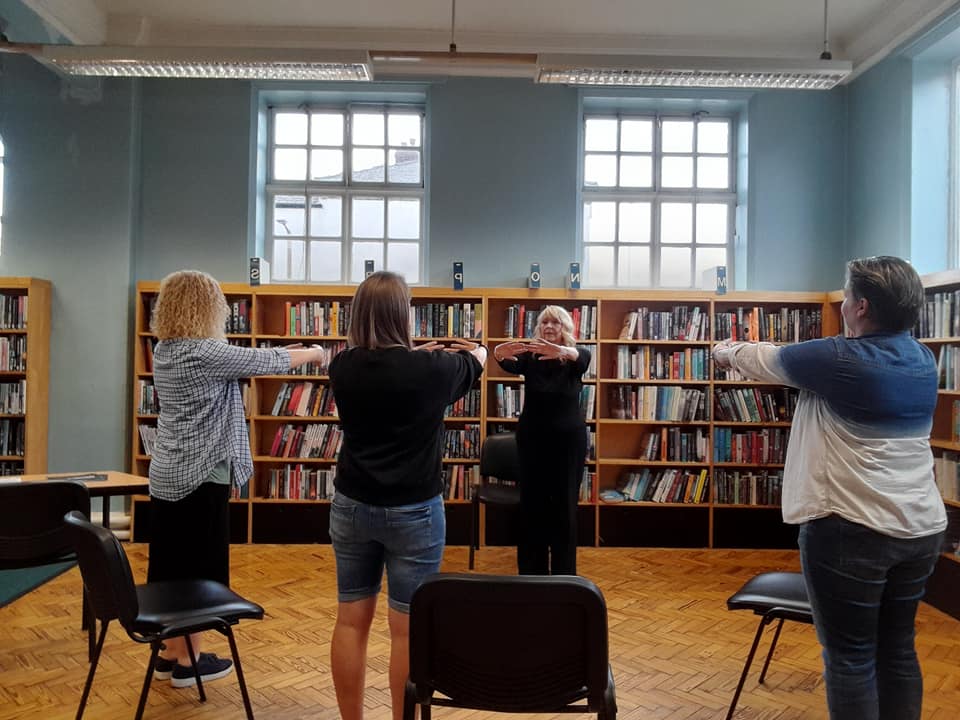
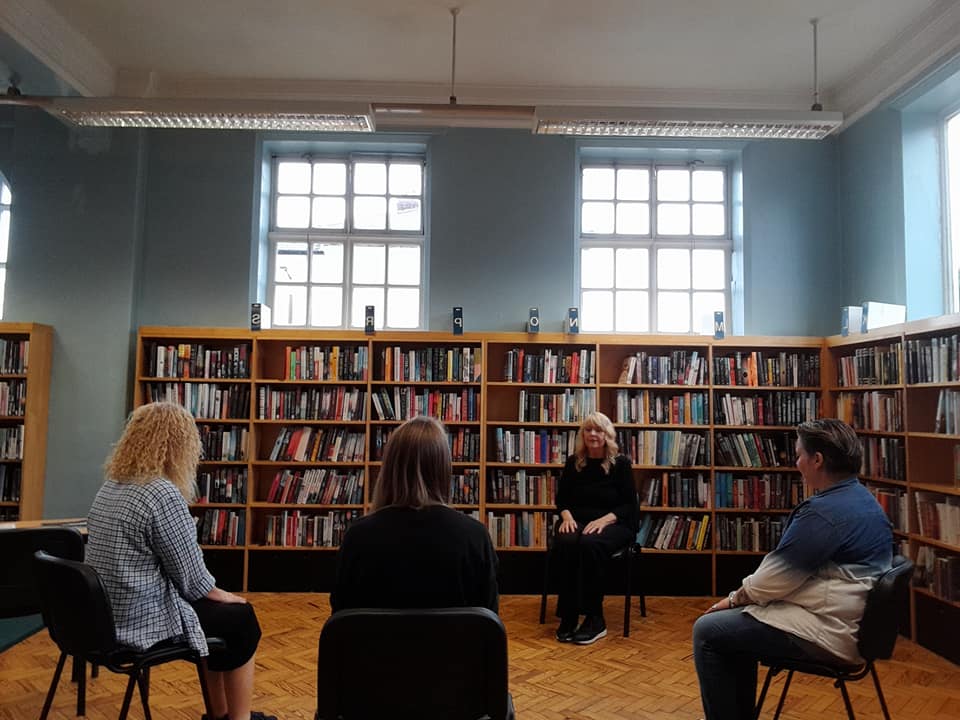
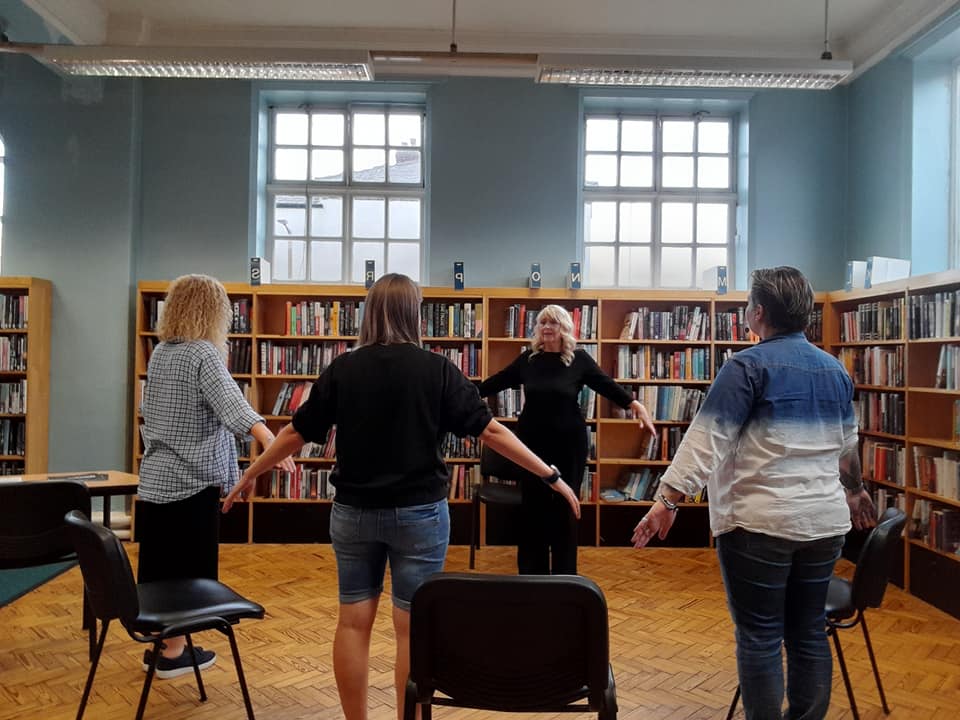
My sessions are a mix of formal and informal practices, in stillness and in motion, in various poses: standing, sitting, lying and walking. In addition, they are enriched and made more potent by the practice of kindness and self-compassion. The positive results of all these practices are underpinned by scientific research, something which continues to intrigue and inspire me on my mindfulness path: we know it works.
“The little things? The little moments? They aren’t little.” Jon Kabat-Zinn
About
About
About
About

Qui sóc
Resources

Resources
Qui sóc
Testimonials
Testimonials
Mimi, London
“I thoroughly enjoyed the course; I felt that you had a deep knowledge of the subject. The icing on the cake was the one day retreat that was simply amazing.”
Tracy, Stockport
“Gail is what I would call a ‘natural’ at Mindfulness; her own life is an example of mindfulness in practice. During my one-to-one sessions, I was able to bring any life situation that I was going through to Gail, and she was able to tailor a mindfulness practice to support me in it”
Kelly, Manchester
”I was able to bring back my creative edge and ‘channel’ my craft; I believe the course pushed me along in finishing my book and getting it published.”
Qui sóc
Gallery
Gallery
Qui sóc
Contact Us
Contact